
Liesel’s Life in the Glass Room
The Glass RoomThis flow traces Liesel’s journey from hopeful bride and mother to exile, blindness, and a return shaped by memory rather than sight.
increasing Bearing strength in each event
 decreasing
Bearing strength in each eventdecreasingA Modern Bride

Entering a New Life
Marriage and possibility
On her honeymoon, Liesel becomes a wife in a world of expectation and change. Viktor’s plans for a new house suggest a future unlike the ornate past she has inherited.
She watches him move between intimacy and businesslike confidence, learning that marriage means entering both his private and public worlds.
A wider horizon
Meeting Rainer von Abt in Venice gives Liesel a new vocabulary for a home of light and space. She begins as a participant in Viktor’s vision and gradually develops a vision of her own.
Motherhood and the New House
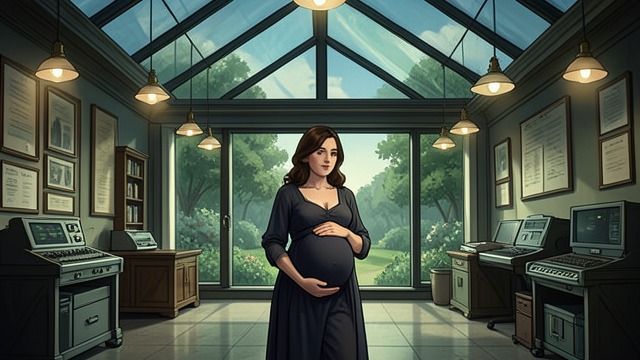
Building a Family
Pregnancy and design
As Liesel carries Ottilie, she grows more committed to the bold house design. She sees its open rooms as an environment in which she and her children can live freely.
The pregnancy makes the project feel immediate: a house on paper is becoming the setting for a family already taking shape.
Fulfillment and strain
The completed Glass Room gives Liesel a sense of beauty and possibility. Yet motherhood also changes her relationship with her own body and with Viktor, foreshadowing later emotional distance.
The Illness After Birth
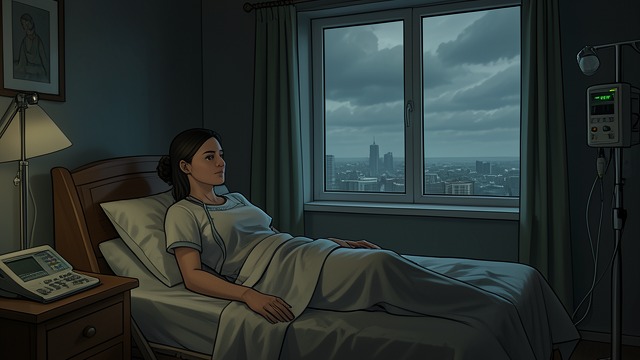
A Near-Death Change
Recovery
Liesel becomes dangerously ill after delivering Martin and spends days between consciousness and delirium. Hana devotes herself to Liesel’s care while Viktor struggles to understand the danger.
Liesel survives, but she returns home altered by the closeness of death and by a physical recovery that leaves her weakened.
A changed marriage
After the illness, intimacy with Viktor becomes more remote. Liesel reflects on death, loyalty, and what might have happened if she had not survived, while the household continues around her.
Exile and Estrangement
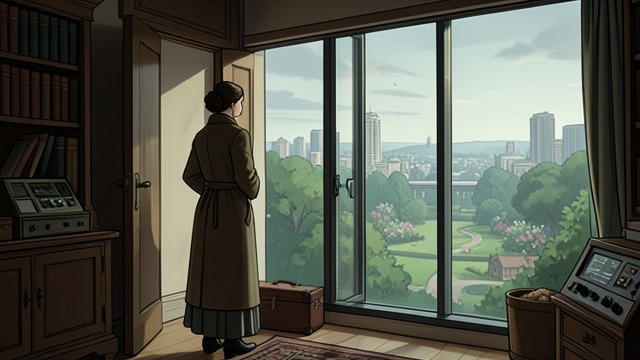
Living Outside Home
Loss of place
Liesel leaves the Glass Room during the family’s flight and cannot recreate its sense of belonging in exile. She writes to Hana and treats memories of home as a link to a former self.
Her new life is safe, but domestic routines cannot erase the absence of friends, family, and the house.
A private fracture
Liesel perceives Viktor’s attachment to Katalin and finally confronts him. She chooses not to break the household apart, yet the admission changes how she understands her marriage.
Return Without Sight
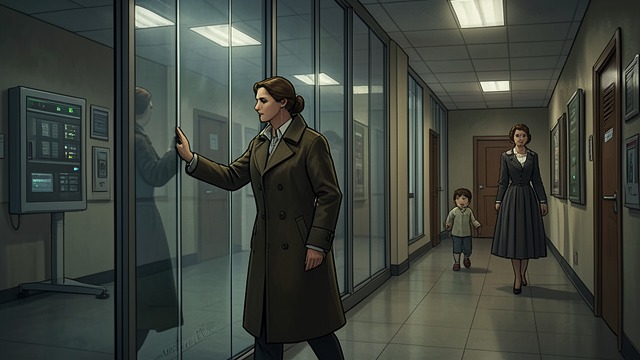
Memory as a Way Back
Blindness and return
Liesel returns to the house after decades away, now unable to see it directly. She navigates by touch, sound, remembered measurements, and the familiar movement of people around her.
The Glass Room exists for her as a vivid inner space, as real in memory as it is changed in the present.
Recognition
Reunion with Hana and the sight of her daughter reconnect Liesel with the life she lost. Her return offers recognition, not restoration: the past remains present but cannot be recovered unchanged.
Immediately after her wedding
From late 1928 through 1929
After Martin’s birth
From 1939 through the years in Switzerland
Thirty years after leaving Město
